
Essential Warnings Required on Edible Mylar Bags
Cannabis edibles face more labeling scrutiny than almost any other product category. Regulators, retailers, and consumers all expect edible Mylar bags to carry complete, accurate warning information. The consequences of getting it wrong range from a compliance violation to a product recall. Understanding exactly what warnings are required and how to integrate them without compromising the design, is a practical necessity for any brand selling edibles in regulated markets.
State requirements vary, but the baseline elements are consistent enough that brands can build a compliant warning framework and adjust it for each market they enter. The sections below cover what that framework looks like.
Why Warning Requirements for Edibles Are Stricter
Edibles present a different risk profile than flower or concentrates. They look like conventional food products. They are easy to consume accidentally or in excess. The onset time for tetrahydrocannabinol (THC) effects after eating an edible is longer than inhalation, which increases the likelihood of unintentional overconsumption.
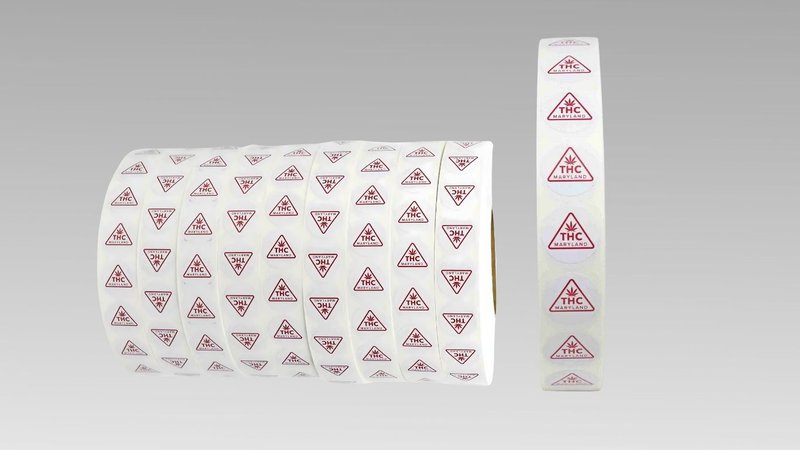
Those factors explain why state regulators have established specific, mandatory warning language for edibles packaging. It goes beyond the general cannabis warnings required on other product types. Ignoring or abbreviating those warnings is not a design decision. It is a compliance failure.
Universal Warning Elements for Edible Mylar Bags
While requirements vary by state, most regulated markets require the following on edible Mylar bags.
A cannabis or THC symbol that is universally recognizable. The exact symbol specification varies by state, but its presence is nearly universal.
A "Keep out of reach of children" warning, prominently displayed. Most states specify a minimum font size for this language.
A statement that the product contains cannabis and is not approved by the Food and Drug Administration (FDA). This addresses the federal status of cannabis and is standard across most state frameworks.
Net weight and THC content per serving and per package. Dosing information is both a labeling requirement and a consumer safety tool.
A statement that the effects of cannabis may be delayed. This directly addresses the edible onset time risk and is required in most markets.
Contact information for a poison control center. Some states require this specifically for edibles.
State-Specific Requirements
Beyond the universal baseline, individual states add requirements that brands need to track as they expand. For example, California requires a specific "CA WARNING" statement. On the other hand, Colorado mandates a universal symbol on every serving. Meanwhile, New York requires its own warning language and symbol specifications.
Brands operating across multiple markets, including multi-state operators (MSOs), need a packaging review process that accounts for each state's current requirements before artwork is finalized.
Designing Warning Copy Into the Layout
Warning language on edible Mylar bags needs to be legible under retail lighting. Most states specify a minimum font size for required warning text, typically six to eight points. That is a hard floor and not a suggestion.
Brands that treat warning copy as an afterthought end up crowding it into leftover space after completing the primary design. That produces layouts where warnings are technically present but practically unreadable. Cannaline's in-house design team integrates compliance copy from the start of the design process. That produces cleaner results and reduces the risk of redesigning artwork after a compliance review.
Opacity and Tamper-Evidence
Most states require edibles packaging to be fully opaque. However, a see-through or partially transparent bag does not meet this requirement in most jurisdictions. In contrast, Cannaline's edibles Mylar bags are available in fully opaque formats with child-resistant (CR) closures and tamper-evident heat seals.
Tamper-evidence are a must-have requirement alongside child-resistance in many markets. The heat seal on a Mylar bag provides inherent tamper-evidence at the primary package level. Once the seal breaks, you cannot restore the product to its original condition.
Low MOQ for Market-Specific Packaging
Brands entering new state markets often need small initial runs of market-specific packaging to meet local warning requirements. Committing to large volumes before confirming compliance in a new market creates unnecessary risk. Cannaline's minimum order quantity (MOQ) structure supports lower-volume runs. Custom printed edibles bags are available with low minimums so brands can produce compliant, market-specific packaging without overextending on inventory.
For the full range of edibles packaging options, browse Cannaline's edibles Mylar bag catalog. Start the ball rolling by requesting for a free quote today.